




















































DAR ES SALAAM, Tanzania — Tanzania is intensifying efforts to raise the international profile of Kiswahili, presenting the language as an important tool for African unity, cultural identity and global inclusion.
Tanzania made the call during an International Day for People of African Descent event in Geneva, Switzerland, on September 6, where Deputy Permanent Representative to international organisations, Ambassador Dr Hoyce Temu, highlighted Kiswahili's international significance.
The campaign reflects Tanzania's longstanding role in promoting Kiswahili as a major African language with growing international recognition.
Kiswahili is spoken widely across East and Central Africa and has increasingly appeared in international diplomatic, educational and cultural programmes.
Tanzania argues that expanding the language's global status can help strengthen connections between African communities and the wider African diaspora.
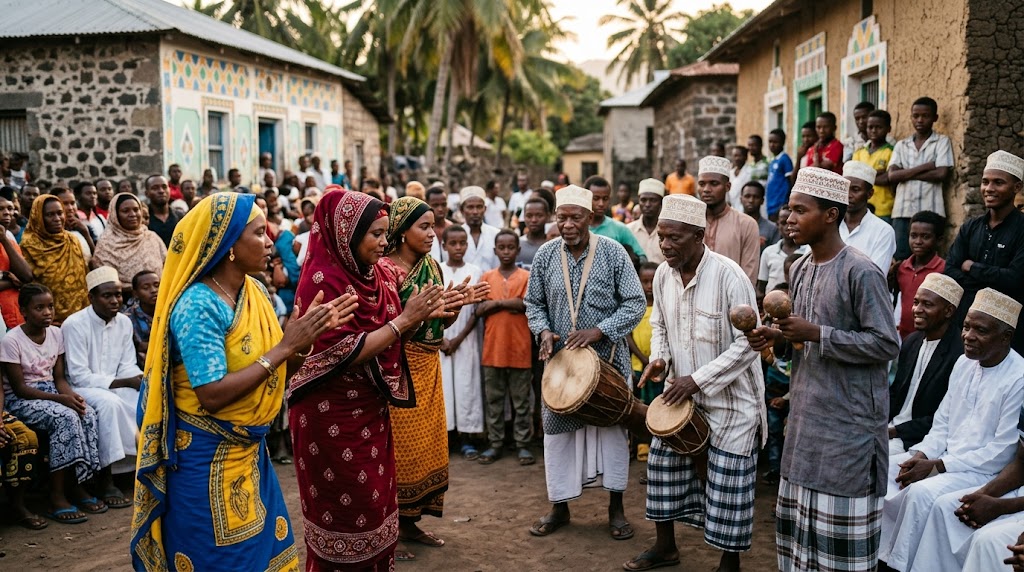
For Tanzania, Kiswahili is more than a means of communication—it is also an important expression of history, identity and cultural heritage.
The country's cultural diplomacy around the language comes as international institutions continue to recognise the importance of African languages in promoting inclusion and cultural diversity.
UNESCO's intangible cultural heritage programme also lists Singeli music of Tanzania among the country's ongoing 2026 nomination activities, highlighting the wider international attention surrounding Tanzanian cultural expression.
The renewed campaign could give Kiswahili greater visibility in international institutions, education and cultural exchanges.
For Tanzania's cultural sector, stronger global recognition of Kiswahili could also create opportunities for literature, music, film, education and creative industries.
Tanzania's latest diplomatic push signals an ambition to place Kiswahili more firmly at the centre of global discussions about African culture and identity.

Comments (0)
Sign in to join the conversation.