


KINSHASA, Democratic Republic of the Congo — October 26, 2026
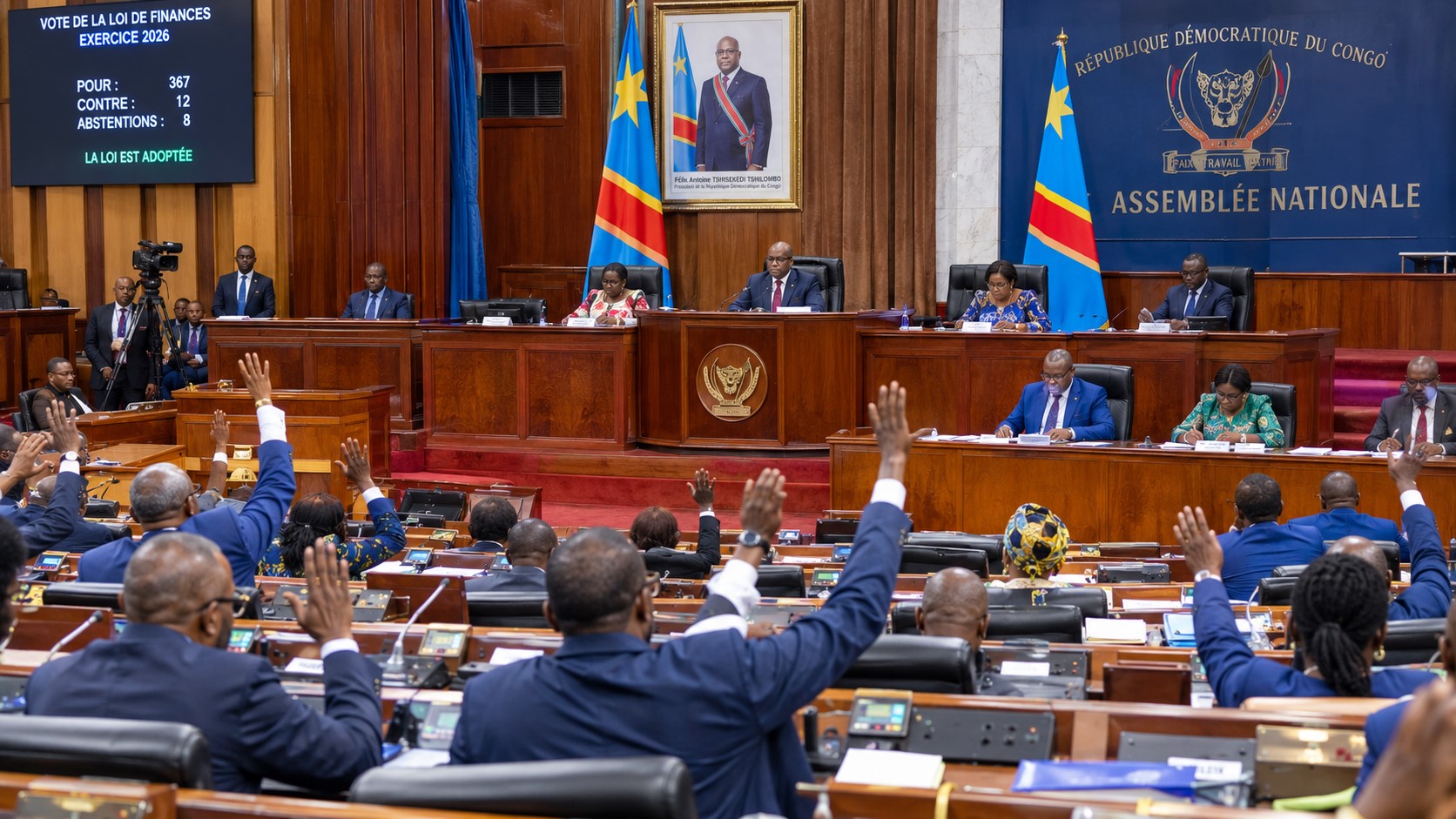
The Democratic Republic of the Congo’s National Assembly has approved a revised law governing the organisation of national referendums, intensifying a political debate over constitutional reform and the country’s presidential succession.
The bill was approved on October 23, with 346 of the 347 lawmakers who participated voting in favour and one abstaining, according to a report published by ChimpReports on October 24.
The legislation was revised after the Constitutional Court raised concerns about 13 provisions. President Félix Tshisekedi had requested that Parliament reconsider the affected articles, prompting the National Assembly’s Political, Administrative and Legal Commission to review and reformulate them before the vote.
National Assembly Speaker Aimé Boji Sangara welcomed the approval, describing it as part of Parliament’s constitutional responsibilities and its role in strengthening the rule of law.
However, the legislation has become politically sensitive because it establishes procedures for organising referendums while the country debates possible constitutional changes. Tshisekedi is serving his second five-year term, which is scheduled to end in 2028.
Opposition figures, including Martin Fayulu, have warned that constitutional changes could weaken safeguards and open the way for Tshisekedi to seek another term. The current Constitution restricts presidential terms, and Article 220 specifically protects the number and duration of those terms from amendment.
Supporters of the legislation argue that the referendum framework forms part of the country's constitutional process. Critics, meanwhile, fear that it could be used to advance changes that would reshape the rules governing presidential succession.
The parliamentary vote does not itself amend the Constitution, extend Tshisekedi’s mandate or set a date for a referendum. Instead, it marks another step in the legal framework for national votes, with further debate expected over how the law will be implemented.
The issue is likely to remain central to Congolese politics as political parties, civil society groups and constitutional experts assess the implications for democratic institutions and the 2028 presidential transition.
Comments (0)
Sign in to join the conversation.