


MALABO, Equatorial Guinea — October 23, 2026
Equatorial Guinea's government has ordered an urgent overhaul of its fuel-distribution system following the country's third fuel-supply crisis of 2026, raising fresh concerns about energy security, transport and the reliability of essential supplies.
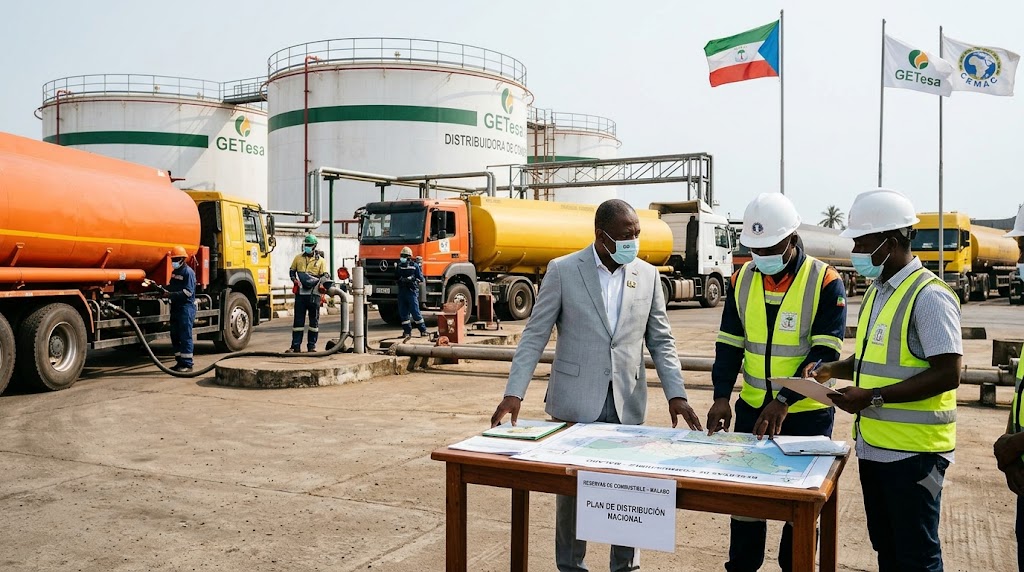
On October 21, Vice-President Teodoro Nguema Obiang Mangue instructed state-owned petroleum company Gepetrol to prepare a comprehensive plan to strengthen its role as the country's principal fuel distributor. The directive followed a high-level meeting in Malabo involving the prime minister and senior officials responsible for hydrocarbons, mines and electricity.
The government questioned how several fuel operators could experience shortages simultaneously and called for stronger purchasing, storage and distribution arrangements.
The proposed response includes three major measures: increasing fuel purchases in the short term, recovering access to strategic storage tanks and developing larger storage infrastructure over the medium term. In the longer term, authorities are considering a domestic refinery to improve local supply and potentially serve neighbouring markets.
Gepetrol has been given 48 hours to submit the requested plan, according to the government's official announcement. Officials also intend to analyse fuel-consumption patterns over the past five years to improve forecasts and purchasing decisions.
The latest disruption follows another government response announced on October 16, when authorities outlined additional measures to strengthen fuel reserves and support Gepetrol's commercial operations.
For households and businesses, reliable fuel supplies are essential for transport, logistics, electricity-related activities and everyday commerce. Repeated shortages can disrupt travel and increase pressure on businesses that depend on predictable deliveries.
The key question now is whether the proposed reforms can translate into a more reliable supply system. The immediate priority is restoring dependable distribution, while longer-term storage and refining projects will require careful planning and investment.



Comments (0)
Sign in to join the conversation.