


BANGUI, Central African Republic — October 23, 2026
Health authorities and humanitarian organisations in the Central African Republic are intensifying efforts to prevent another cholera outbreak after a recent epidemic was officially declared over in September.
According to UNICEF, the outbreak was declared on June 26, 2026, and affected communities in the Bimbo and Mbaiki health districts. During the three-month outbreak, authorities recorded 720 suspected cases and 46 deaths, highlighting the importance of access to safe drinking water and timely medical care.
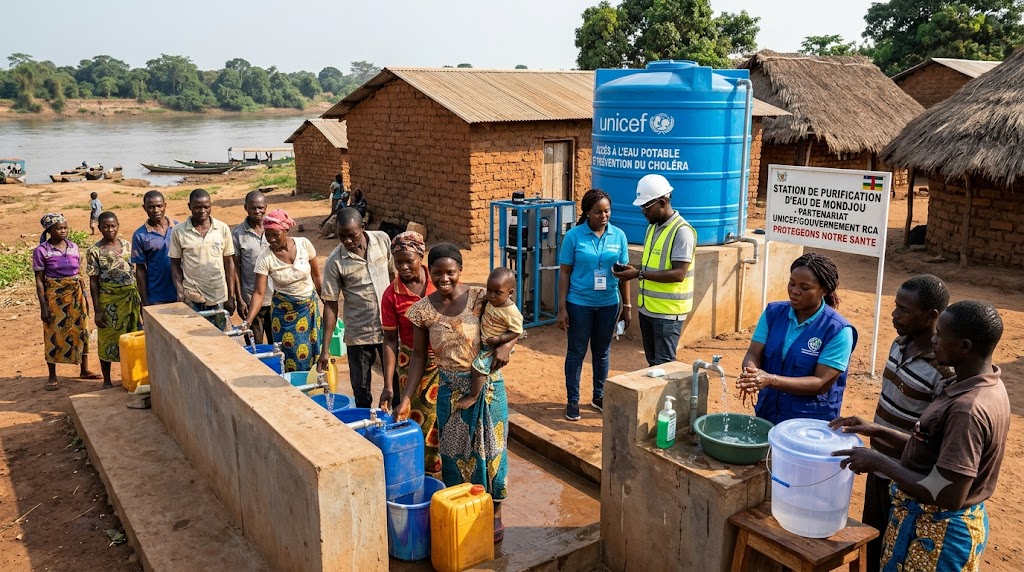
UNICEF and its partner Oxfam have established water purification facilities in affected riverside communities, including Bobassa 2 and Wayambo, with support from the United Nations Central Emergency Response Fund. The facilities have been operational since September and form part of a response designed to provide safe drinking water to approximately 15,000 people.
In Wayambo, a village near Bangui, 65 cholera cases and three deaths were reported among its 843 residents. The new water facilities are helping families access treated water instead of collecting untreated water directly from the Oubangui River.
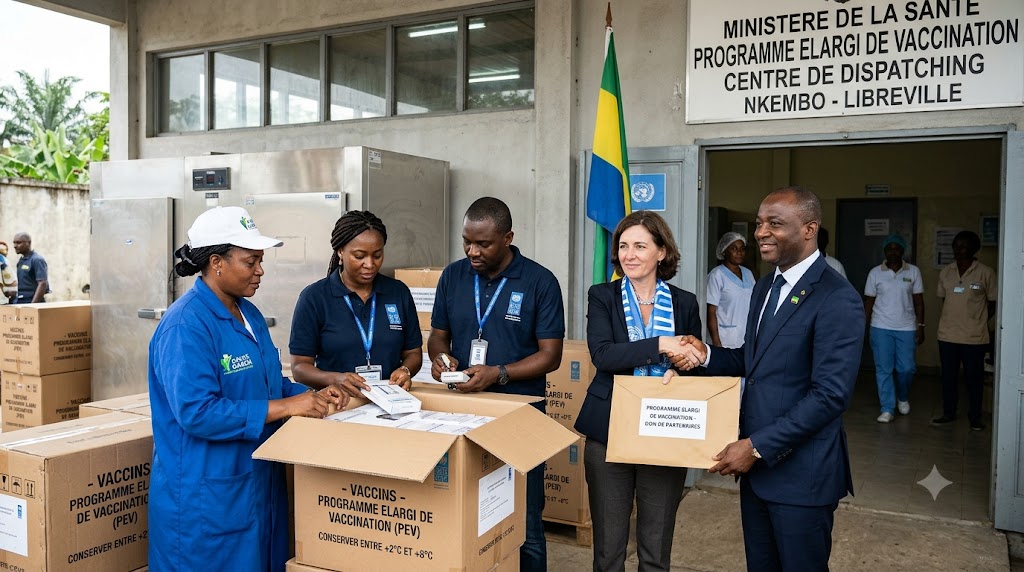
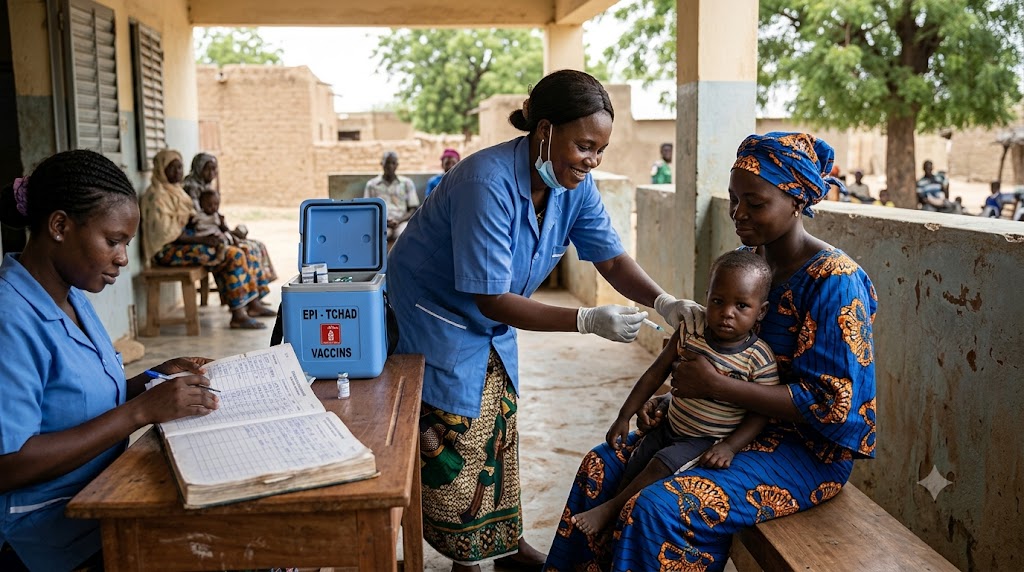
Health workers are also promoting hygiene education, rehabilitating water sources and supporting vaccination campaigns. A further purification facility in Bokassi 2 was still under construction at the time of UNICEF's report.
Although the outbreak has ended, health officials and humanitarian partners face the continuing challenge of preventing new infections in communities with limited access to safe water and sanitation.
The initiative demonstrates how clean-water infrastructure, community education and preventive healthcare can work together to protect families and strengthen public health across Central Africa.
Comments (0)
Sign in to join the conversation.