


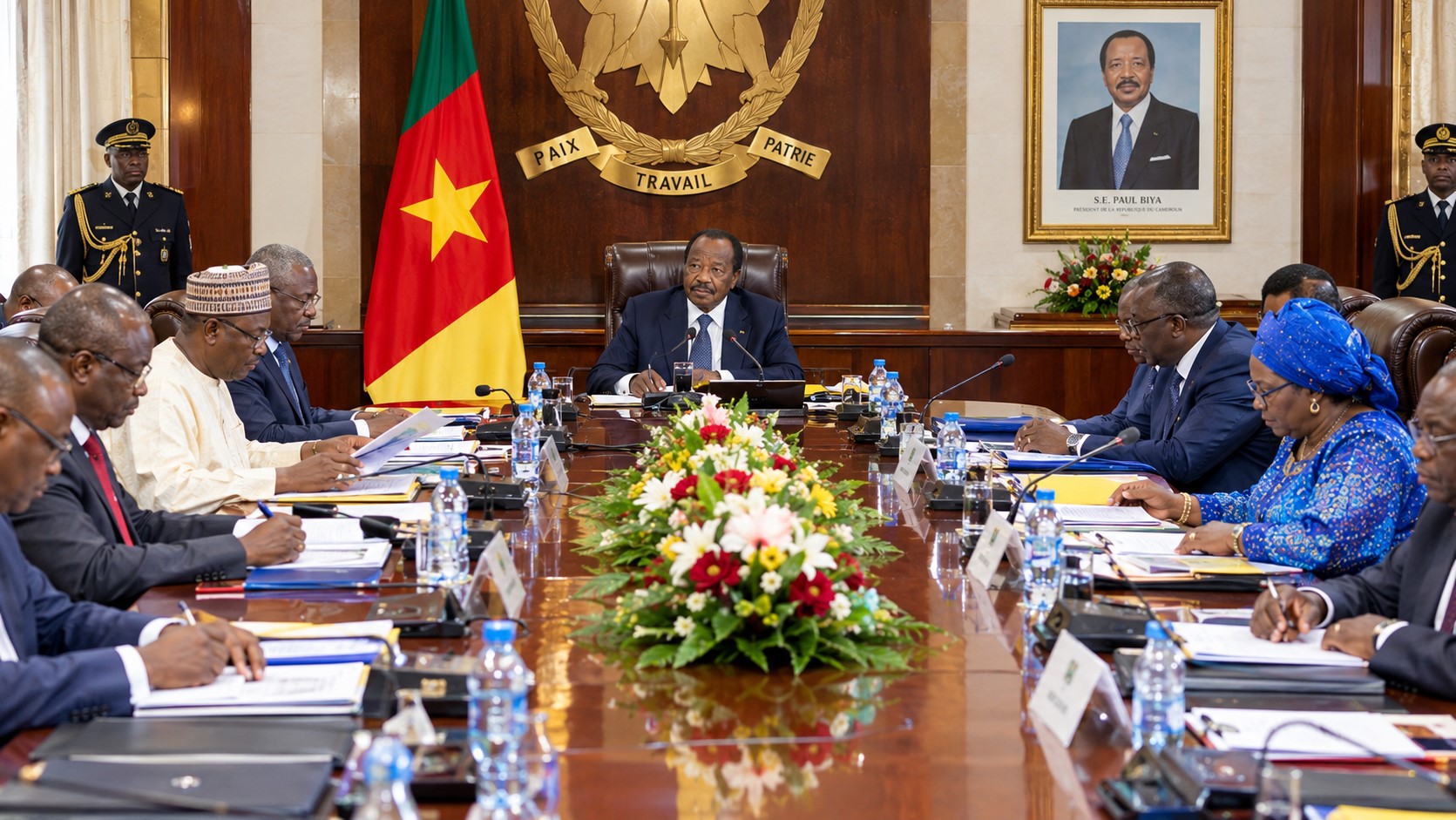
Cameroon is facing renewed political uncertainty as President Paul Biya has yet to announce a new government or appoint a vice president, according to a report published on October 17, 2026.
The delay has fuelled public debate over the country’s leadership structure, government priorities and plans for political succession. Biya returned to Cameroon on August 20 after spending approximately ten weeks abroad, raising expectations that changes to the government might soon follow.
However, as of October 17, no new cabinet had been announced, and the vice presidency remained vacant despite its restoration through a constitutional amendment in April 2026.
The restored position is politically significant because the constitutional changes establish a mechanism for a vice president to assume the presidency on an interim basis in specified circumstances, including the president’s death, resignation or permanent incapacity.
Opposition figures and governance commentators have called attention to the prolonged uncertainty, warning that delays in key appointments could affect public confidence, government decision-making and investor sentiment. The government, meanwhile, maintains that the timing of appointments falls within the president’s constitutional authority.
The central question is when President Biya will announce his next leadership decisions. Until an official statement is issued, the timing and composition of any government reshuffle remain uncertain.
Comments (0)
Sign in to join the conversation.