






















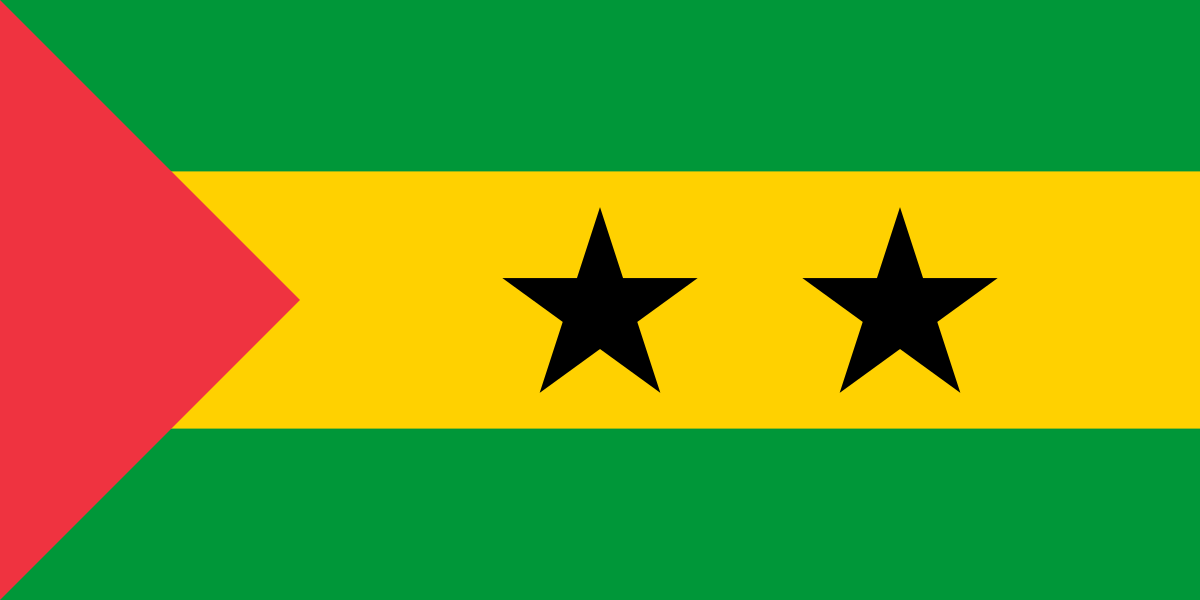









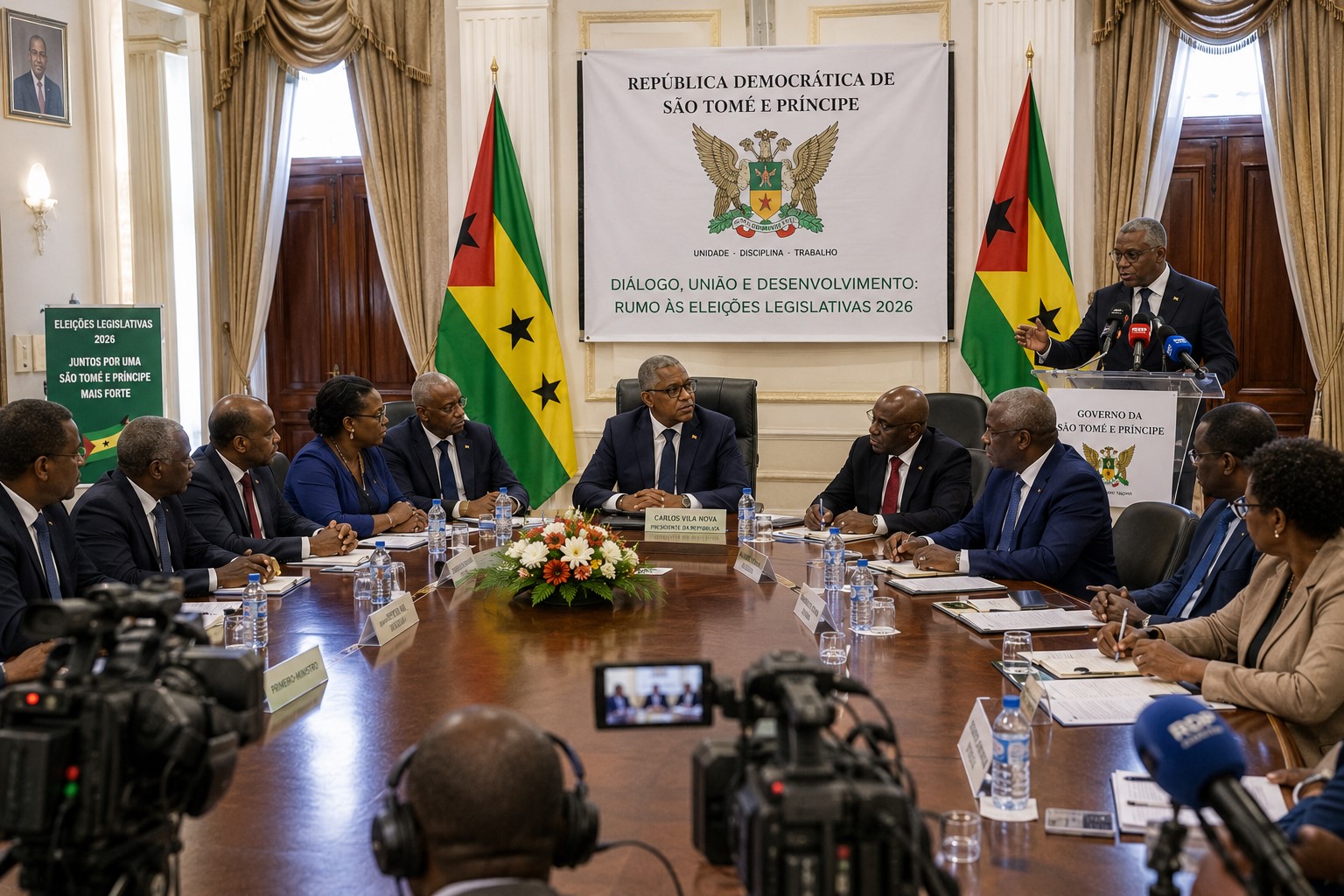
SÃO TOMÉ — São Tomé and Príncipe is entering a new political phase after President Carlos Vila Nova secured a second term, but the country’s next major electoral contest could prove just as important for the balance of power.
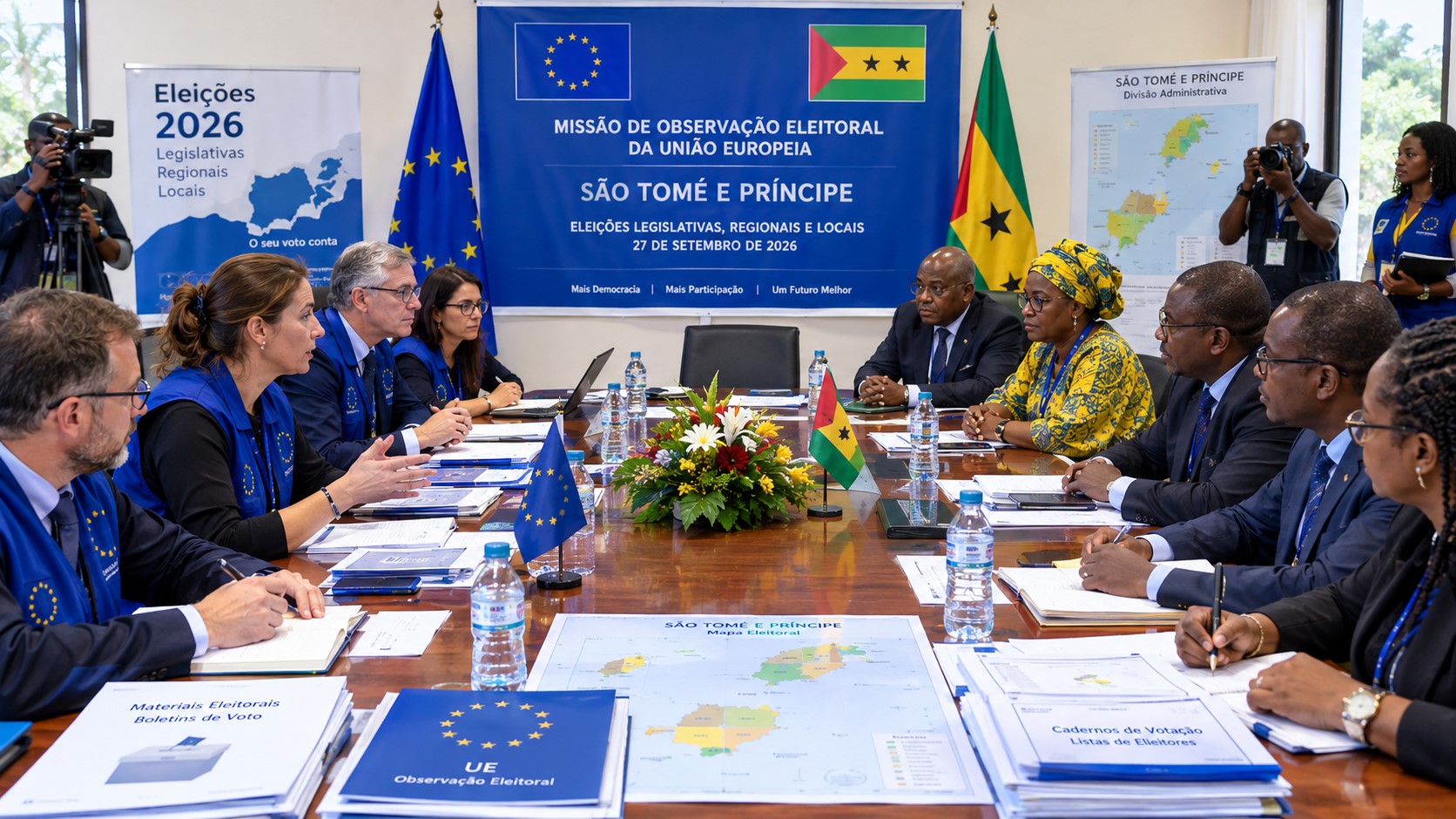
Vila Nova’s reelection does not automatically give the presidency control over Parliament, where political parties and alliances will continue to shape the government’s ability to advance its agenda. The September legislative, regional, and municipal elections are now emerging as the next major political test for the country.
The president’s relationship with the Independent Democratic Action party has already been marked by a political split following the dismissal of former Prime Minister Patrice Trovoada. That division has added further uncertainty to the country’s political landscape.
Political analysts say the September elections could determine whether Vila Nova enters his second term with stronger institutional support or faces continued political resistance. The outcome will also influence the government’s ability to address economic challenges, youth unemployment, emigration, power shortages, and other issues raised during the presidential campaign.
As parties prepare for the next vote, São Tomé and Príncipe is moving into a wider electoral cycle that could reshape parliamentary alliances and define the direction of the president’s second term.

Comments (0)
Sign in to join the conversation.