



















































NAIROBI / LAGOS — Across the African continent, a structural shift is underway as nations move aggressively from consuming global digital technologies to engineering their own. Leading this transition is a new wave of localized "AI factories" and sovereign computing infrastructure backed by over $700 million in regional and international investments.
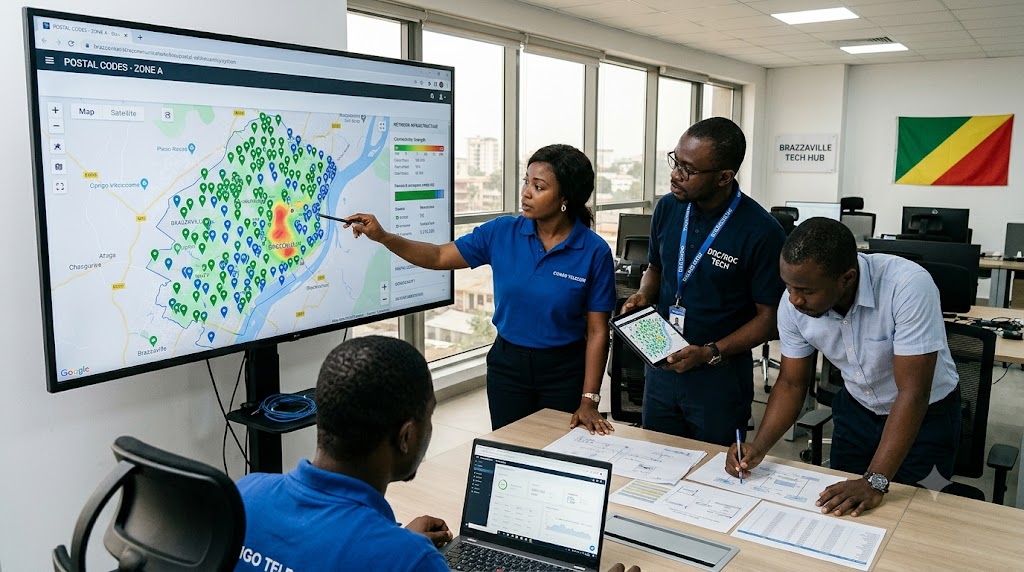
Countries like South Africa, Kenya, and Nigeria are spearheading this computational expansion, deploying native data centers, GPU-as-a-Service architectures, and supercomputing clusters tailored specifically for artificial intelligence workloads.
Key Drivers Behind the Sovereign AI Movement
- Preserving Data Sovereignty: By keeping sensitive public, medical, and financial data on local servers, African governments and enterprises can enforce local privacy regulations while protecting domestic digital assets.
- Building Native Language Models: Regional developers are leveraging native compute capacity to train Large Language Models (LLMs) in widely spoken African languages—including Swahili, Zulu, Hausa, Amharic, and Yoruba—ensuring AI systems can interact with millions of non-English speakers.
- Domain-Specific Solutions: Localized AI systems are being optimized for regional priorities, such as predictive climate modeling for smallholder farmers, automated disease diagnostics in rural clinics, and fraud detection within native mobile money networks.
By establishing sovereign compute power, African nations are laying the foundational infrastructure needed to achieve digital independence and secure a self-sustaining role in the global AI economy.

Comments (0)
Sign in to join the conversation.