


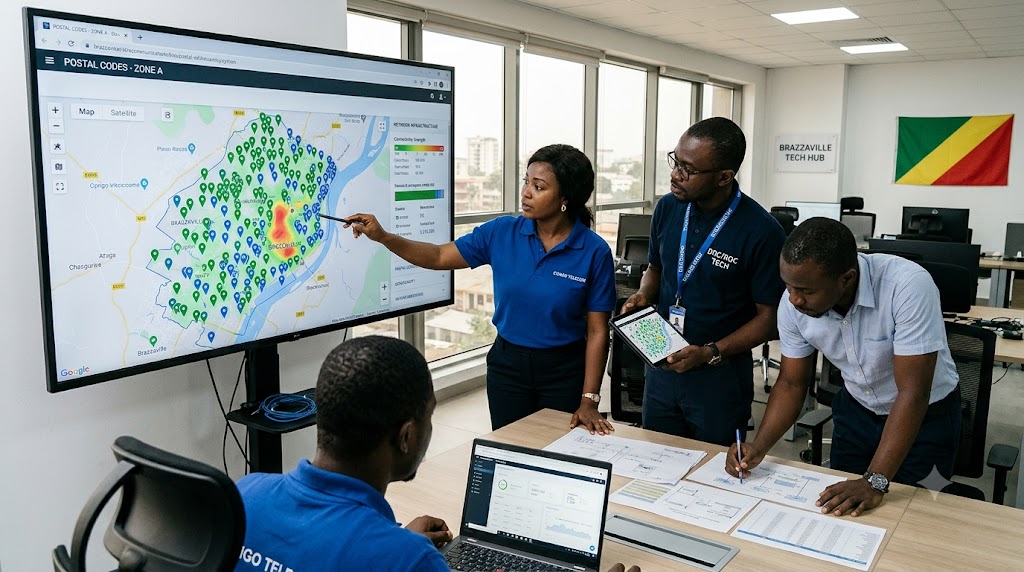
The Republic of the Congo is advancing plans to modernise its digital infrastructure, with a national digital postal-addressing project designed to make it easier to locate households, businesses and public facilities across the country.
The initiative was highlighted on October 15 when the Agency for the Regulation of Posts and Electronic Communications (ARPCE) presented the second edition of its white paper on electronic communications in Brazzaville. The report was published by the Congolese Information Agency (ACI) on October 17.
The digital-addressing project aims to establish more reliable location information for people, companies and infrastructure. Officials say this could improve parcel deliveries, emergency response, urban planning and e-commerce, while helping businesses communicate more efficiently with customers.
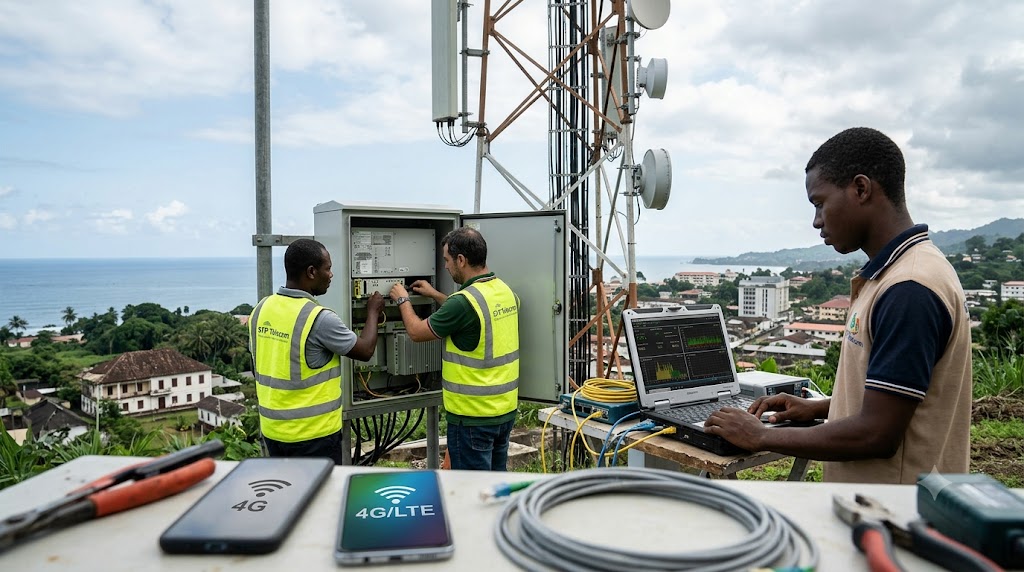
The regulator also highlighted challenges facing the country's digital sector, including the cost of internet access, uneven network coverage, electricity reliability and the need for stronger infrastructure.
According to figures presented at the event, mobile telephone penetration in the Republic of the Congo stands at approximately 94%, while internet penetration is around 57%. The gap highlights the challenge of turning widespread mobile access into broader use of online services.
ARPCE Director-General Louis-Marc Sakala described electronic communications as a strategic investment in economic modernisation. The country's minister responsible for posts, telecommunications and the digital economy, Frédéric Malik Nzé, linked the initiatives to the wider effort to modernise public administration and strengthen digital sovereignty.
The white paper also discusses the need for domestic data centres and internet exchange points. These systems could help keep more data traffic within the country and improve access to Congolese digital services during international connectivity disruptions.
The next challenge is implementation. The digital-addressing project and infrastructure recommendations will need sustained investment, coordination and measurable progress before their full benefits reach residents and businesses.
If successfully implemented, these developments could provide a stronger foundation for online commerce, digital public services and more reliable communications across the Republic of the Congo.


Comments (0)
Sign in to join the conversation.