


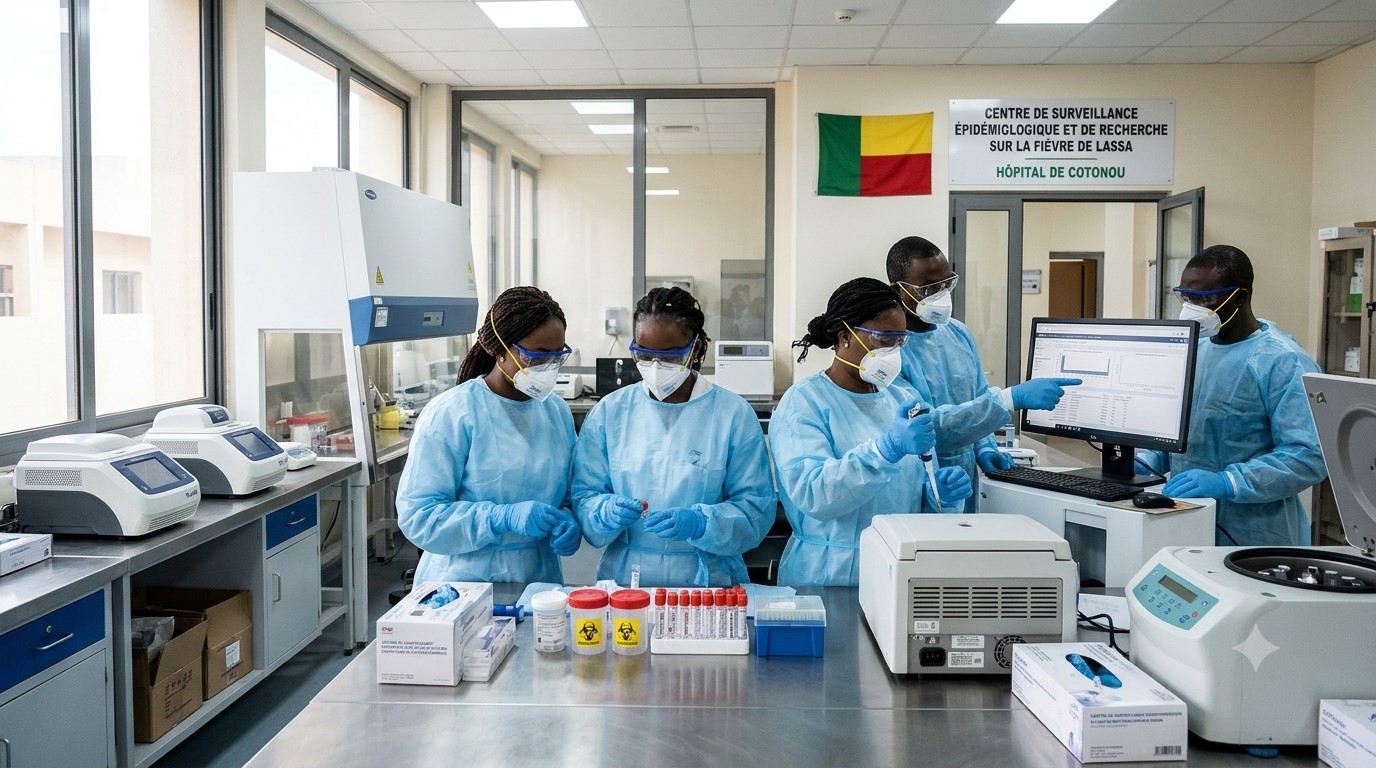
The report highlights the importance of strengthening Benin's healthcare system, particularly in communities bordering Nigeria and Togo, where cross-border movement creates additional challenges for disease monitoring.
During the 2016 Lassa fever crisis, the northern departments of Borgou, Collines and Alibori recorded 54 suspected cases and 28 confirmed deaths, according to the report.
Healthcare workers were also affected, exposing weaknesses in protective equipment, laboratory facilities and infection prevention procedures.
Researchers and public health specialists say Benin needs to prioritise several measures:
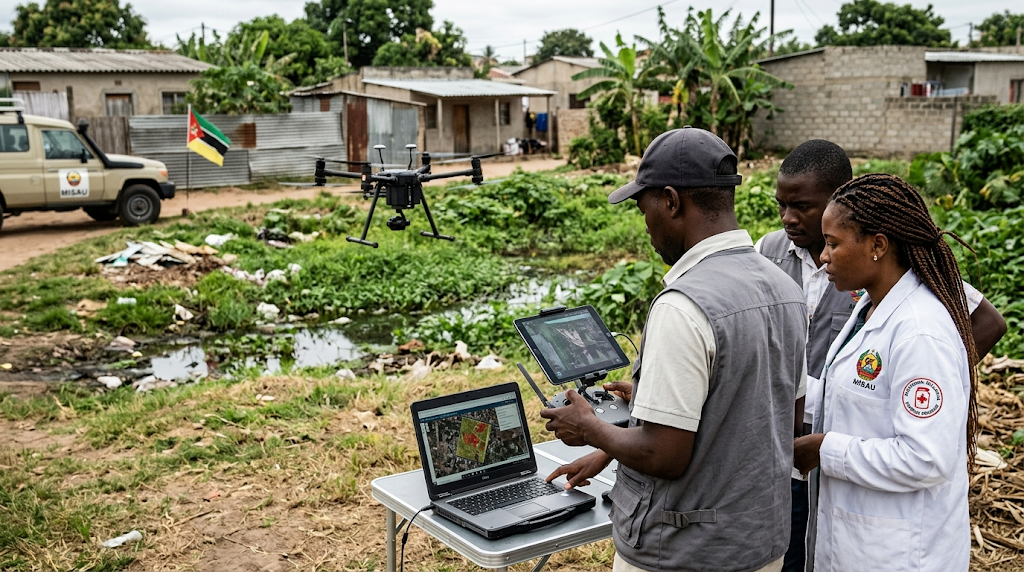
- Stronger disease surveillance: Improve early identification and reporting of suspected infections.
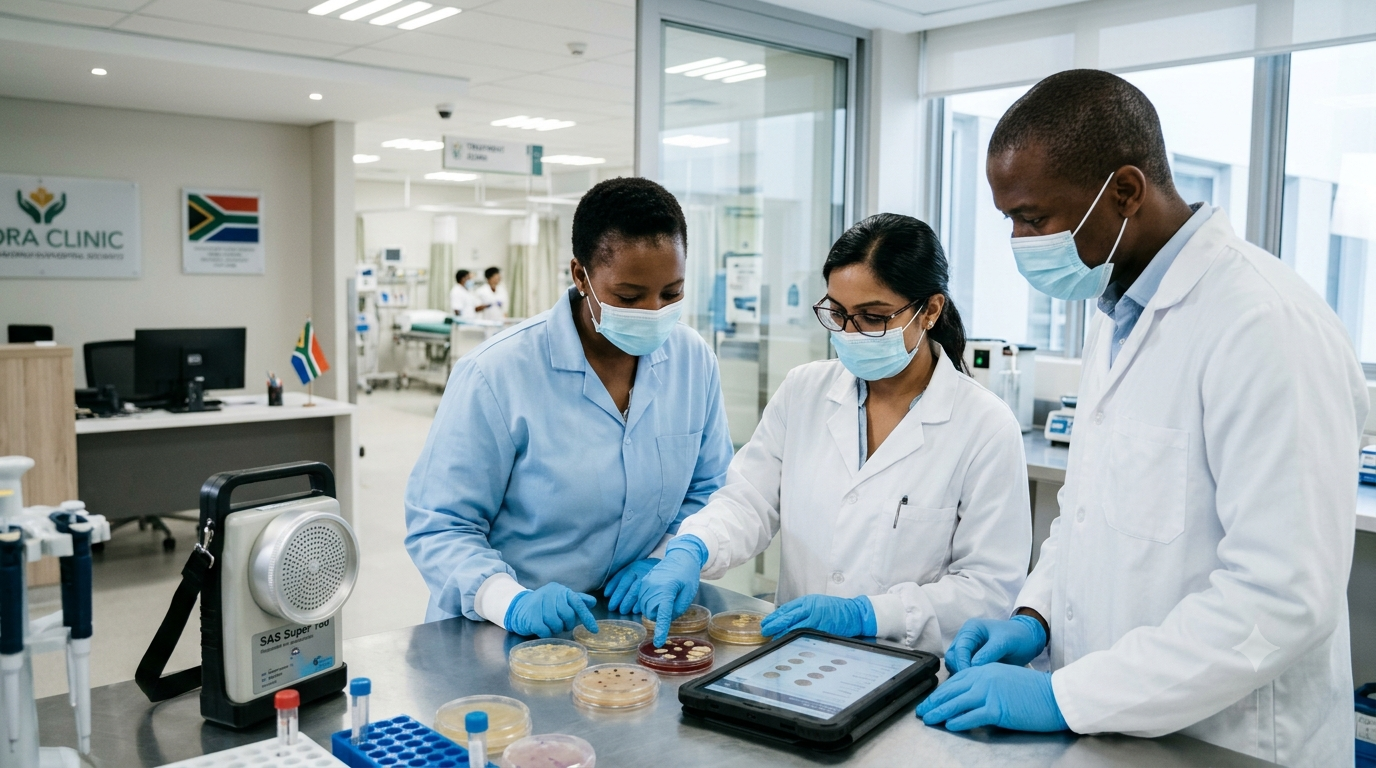
- Better laboratory facilities: Expand diagnostic capacity and reduce delays in testing.
- Healthcare worker protection: Provide protective equipment and specialised infection-control training.
- Cross-border cooperation: Improve health information sharing with Nigeria and Togo.
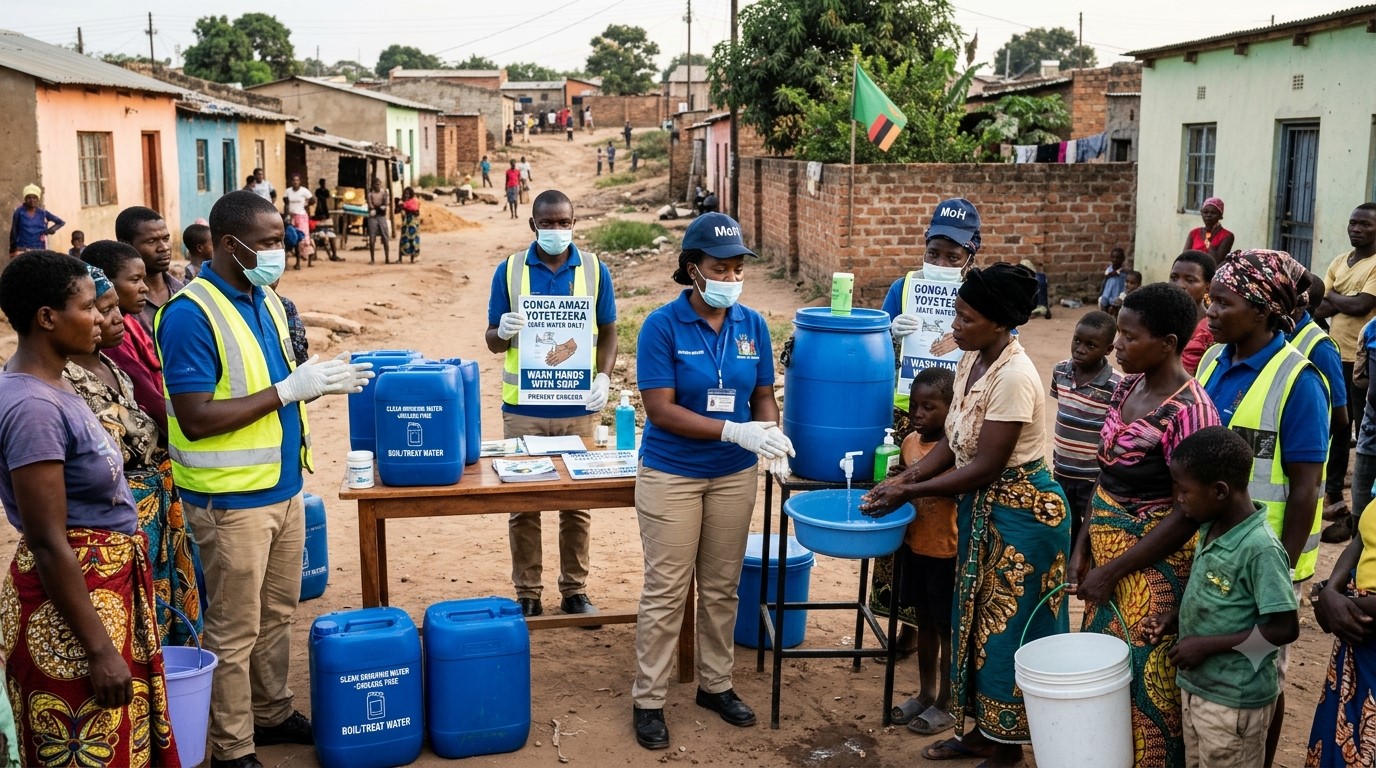
- Community awareness: Promote safe food storage, sanitation and rodent-control practices.
Benin has already taken steps to improve laboratory capacity and emergency preparedness, with support from international health partners, including the World Health Organization and the Clinton Health Access Initiative.
The country is also participating in the ENABLE clinical research programme, which is generating evidence to support Lassa fever vaccine development and evaluation.
Experts warn that stronger preparedness must happen before an outbreak occurs, rather than waiting until infections begin spreading.
Improving disease detection, protecting medical workers and strengthening regional cooperation could play an important role in safeguarding public health across Benin and neighbouring West African countries.
Comments (0)
Sign in to join the conversation.