


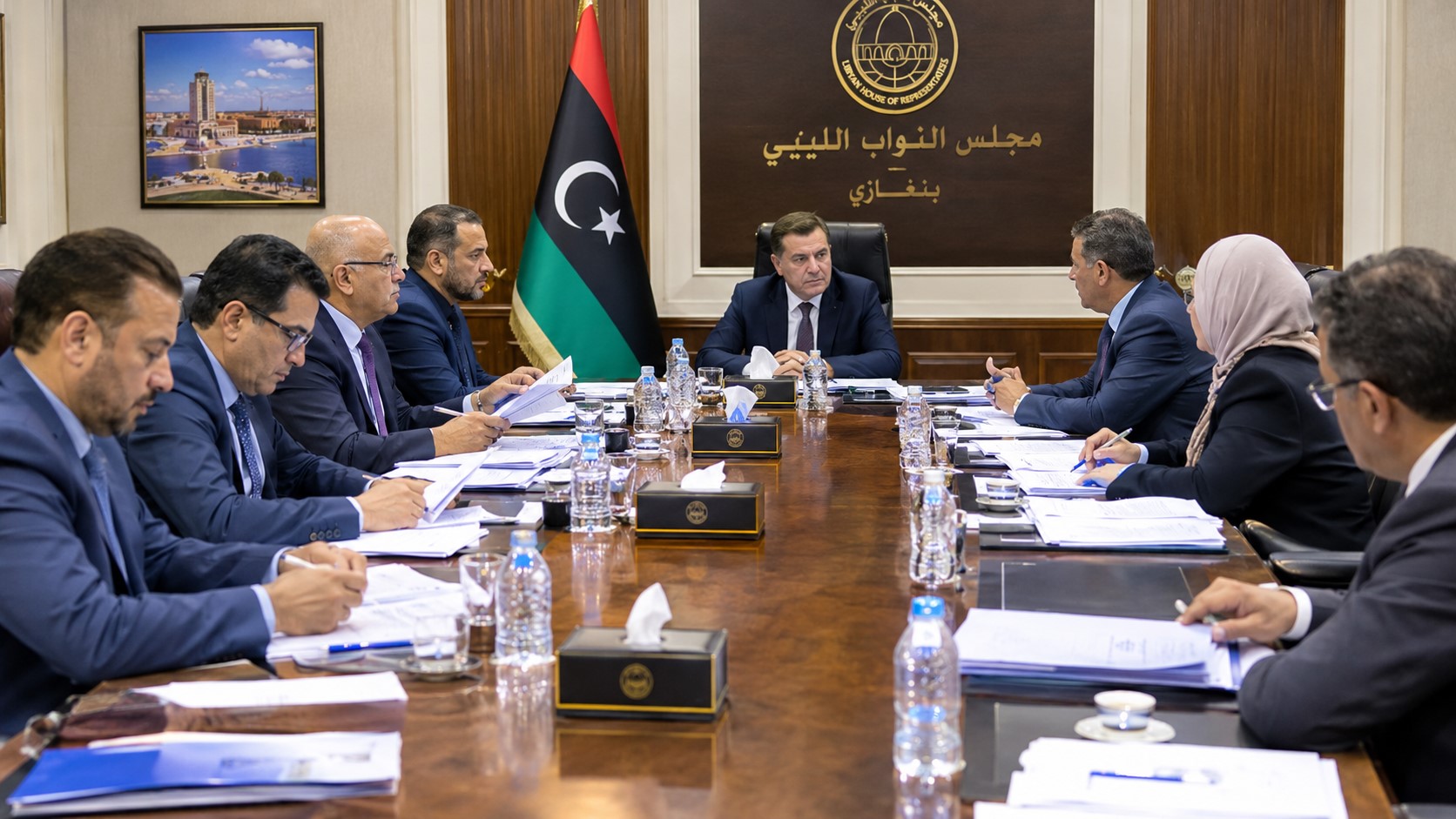
Libya’s political divisions have resurfaced over the leadership of the country’s Central Bank, after eastern-based lawmakers backed an interim successor to Governor Naji Issa, exposing fresh disagreements between rival political institutions.
On October 22, 2026, Libya’s eastern-based House of Representatives approved Issa’s resignation in principle and supported central bank board member Fowzi Musbah Abukhzam as interim governor. Issa had submitted his resignation in August, without publicly explaining his reasons.
The decision triggered differing responses within the western-based High Council of State. First Deputy Naji Mukhtar Ali rejected the move as unilateral and called on Issa to remain in office. However, Council head Mohamed Takala expressed support for Abukhzam’s temporary appointment while discussions continue over a permanent governor.
The disagreement highlights the challenge of coordinating decisions between Libya’s competing political institutions. The Central Bank plays a crucial role in managing the country’s oil revenues, public finances and access to foreign currency, making its leadership a sensitive national issue.
The dispute comes amid wider concerns about institutional security. The Central Bank has condemned an unauthorised entry into its headquarters, while the United Nations mission in Libya has also expressed concern over attempted interference at the country’s financial oversight agency.
Whether the rival institutions can reach a mutually accepted arrangement remains an important test for Libya’s political stability and economic governance.
Comments (0)
Sign in to join the conversation.