


SÃO TOMÉ, São Tomé and Príncipe — October 24, 2026
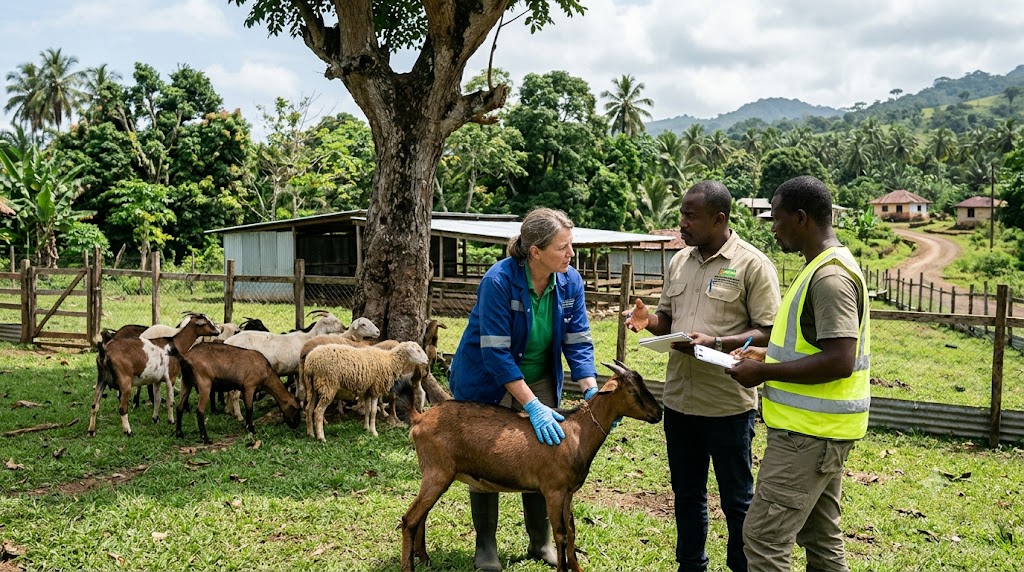
São Tomé and Príncipe is strengthening animal-health precautions as the spread of Peste des Petits Ruminants (PPR) across parts of West and Central Africa raises concerns about the risk of the disease entering the island nation.
The highly contagious viral disease affects sheep and goats and can cause serious losses for livestock farmers. According to a report published by local news outlet Téla Nón on October 22, the disease has not been detected in São Tomé and Príncipe, but authorities say the country faces risks that require continued vigilance.
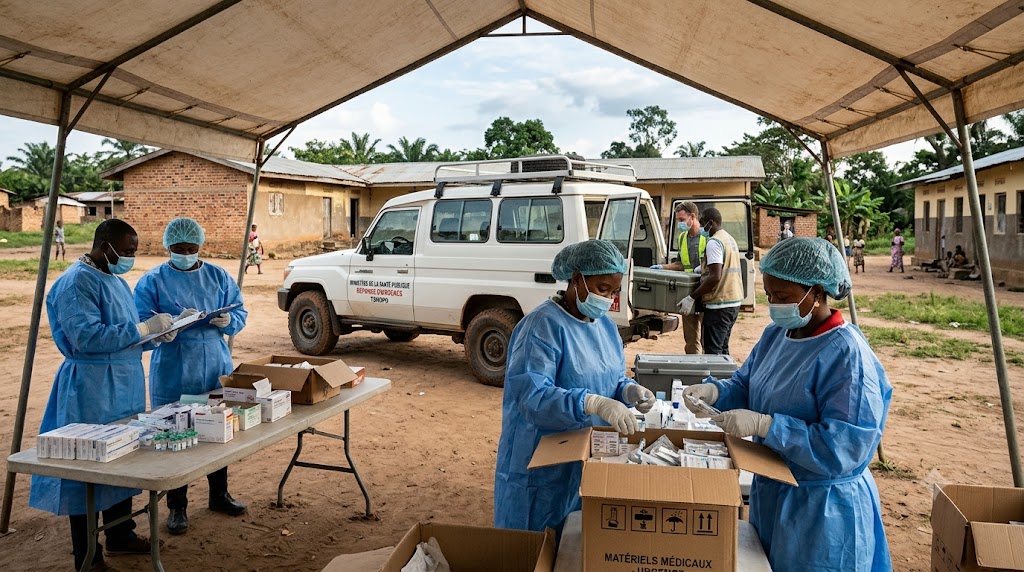
The African Union, through its Inter-African Bureau for Animal Resources, is supporting the development of a National Contingency Plan to guide surveillance, prevention and response if the disease reaches the country. The plan is being developed during a three-day technical workshop involving national and international specialists.
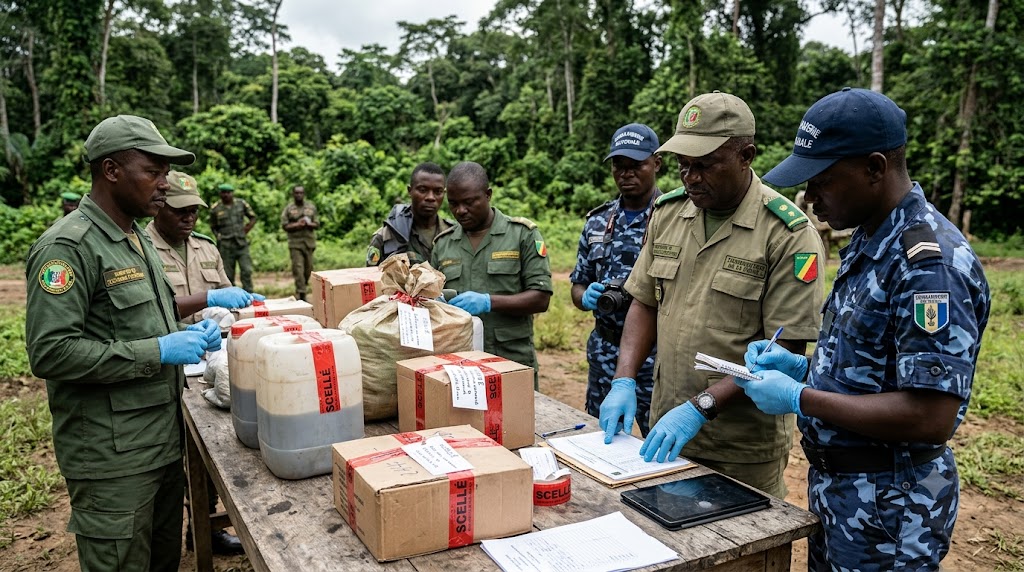
Agriculture, Fisheries and Rural Development Minister Nilton Garrido emphasized the importance of strengthening disease surveillance, improving biosecurity on livestock farms, increasing sanitary controls at borders and equipping veterinary services.
Alfredo da Mata, a veterinary doctor and head of the Animal Health Department within the livestock directorate, warned that the country remains exposed to factors that could facilitate the disease's introduction.
The alert matters beyond animal health. Sheep and goat farming supports rural livelihoods, while livestock losses could put additional pressure on household incomes and food security.
Authorities are focusing on prevention rather than responding to a confirmed domestic outbreak. The effectiveness of surveillance, border checks and preparedness measures will be important in protecting the country's livestock sector.

Comments (0)
Sign in to join the conversation.