


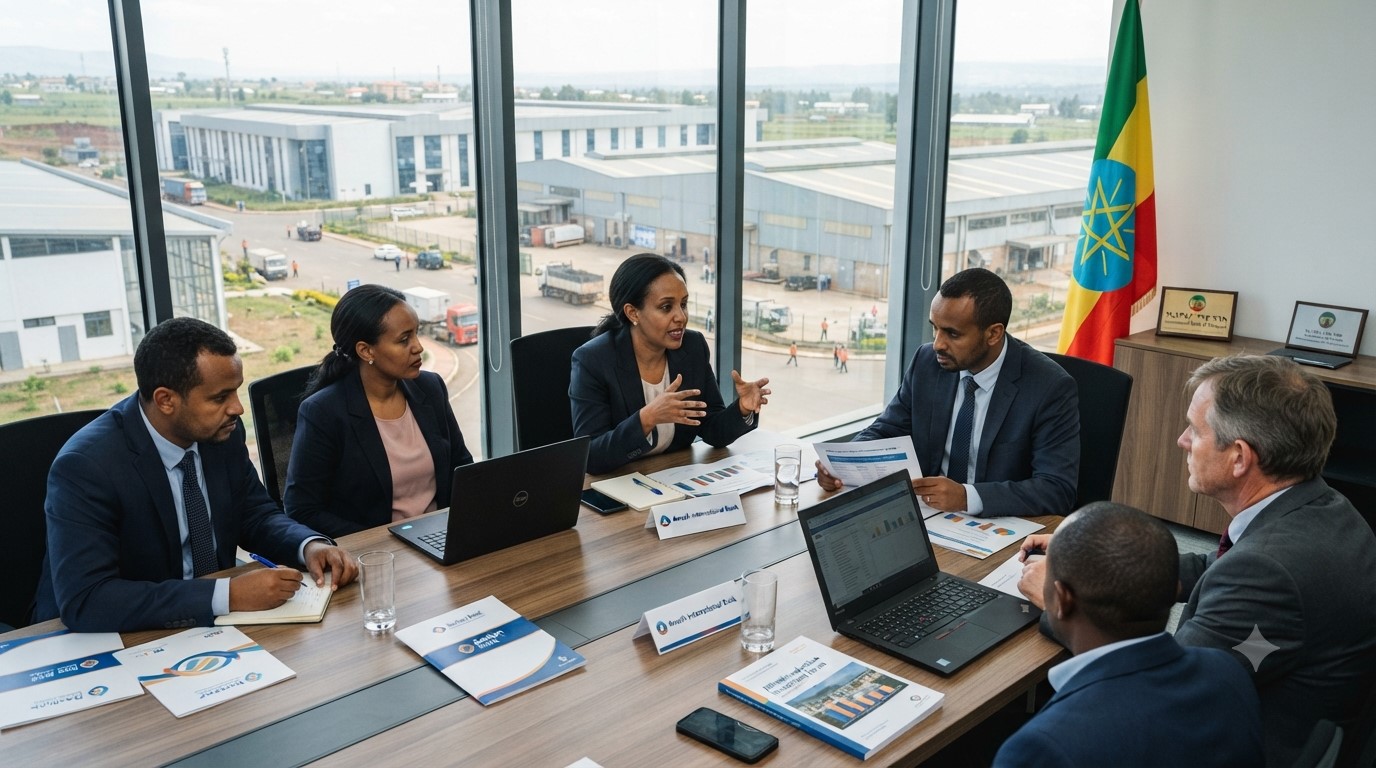
Ethiopia Moves to Improve Banking Services for Businesses
The National Bank of Ethiopia (NBE) is pressing commercial banks to improve financial services in the country's special economic zones and free trade zones, as the government seeks to strengthen investment, manufacturing and export activity.
The central bank's latest push calls on financial institutions to turn identified service gaps into practical solutions, particularly for businesses operating in investment hubs that require reliable banking, foreign exchange and international payment services.
Investors Face Banking Service Challenges
Businesses operating in industrial parks and special economic zones depend on banking access to finance operations, import machinery, purchase raw materials and receive international payments.
The central bank's intervention aims to address remaining gaps as Ethiopia expands its investment infrastructure and encourages more domestic and international businesses to operate in designated economic zones.
New Banking Rules Increase Opportunities
Regulatory reforms introduced in 2026 allow eligible commercial banks to expand their operations in special economic zones under specific licensing requirements.
Licensed branches are expected to provide foreign exchange services and banking support to businesses and residents operating within the zones.
The framework is designed to encourage stronger financial competition while maintaining regulatory standards for capital, liquidity and foreign exchange operations.
Investment and Export Growth in Focus
Ethiopia's investment zones are becoming increasingly important to its economic development strategy. According to reported investment figures, more than 290 domestic and foreign investors were operating across 14 investment hubs managed by the Industrial Parks Development Corporation.
The government hopes improved financial services will help businesses increase production, expand exports, attract investment and create employment.
Comments (0)
Sign in to join the conversation.