


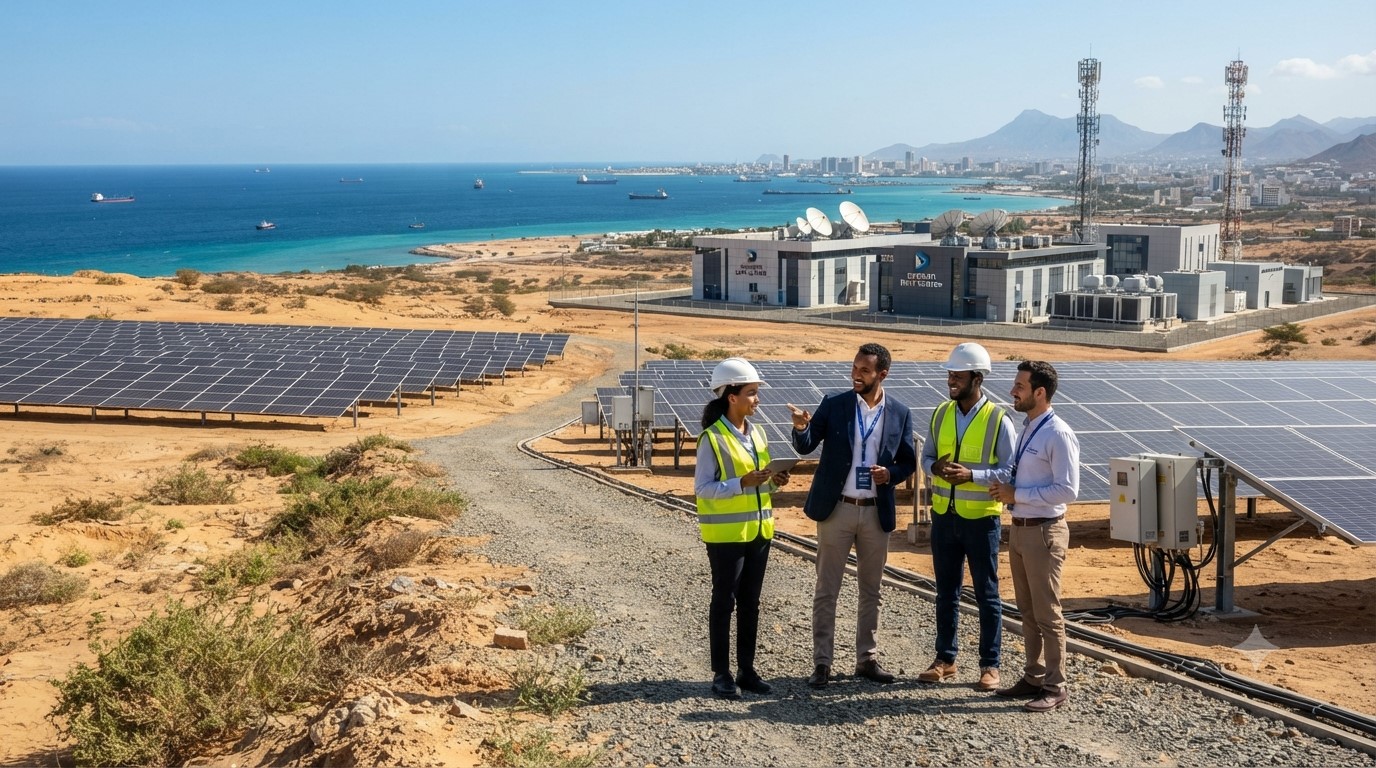
Djibouti could attract up to $600 million in private investment and support approximately 12,000 jobs over the next five years if targeted reforms unlock opportunities in renewable energy, digital infrastructure and tourism.
The projections were highlighted in a World Bank Group analysis published on November 2, 2026, examining how Djibouti can turn its strategic location and infrastructure advantages into broader economic opportunities.
Three Sectors Identified for Investment
The report identifies three sectors with significant potential for private investment:
- Off-grid solar energy: Businesses could reduce electricity costs and improve energy reliability through expanded solar solutions.
- Data centres: Djibouti's international submarine cable connections create opportunities for digital infrastructure investment.
- Tourism: The country's coastlines, landscapes, cultural attractions and marine tourism potential could support new private-sector projects.
High Electricity Costs Remain a Challenge
Energy costs continue to affect business competitiveness in Djibouti. Commercial electricity prices are estimated at around $0.25 per kilowatt-hour, compared with an African regional average of approximately $0.14.
Expanding private solar generation and improving electricity regulations could help businesses lower operating expenses and attract new investment.
Digital Infrastructure Could Attract New Investors
Djibouti has eight operational submarine cables connecting Africa with Asia and Europe. However, existing data-centre capacity is reportedly approaching full utilization.
The report suggests improving regulatory frameworks, access to energy and connectivity infrastructure to make future data-centre investments more attractive.

Comments (0)
Sign in to join the conversation.